
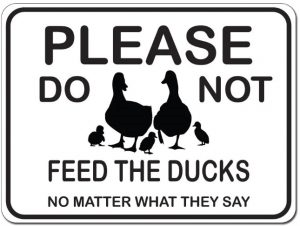
There has been talk on some Facebook groups about the apparent disappearance of ducks from Windermere Bay. There was speculation that Glenorchy City Council had conducted a cull, possibly with poison.
Councillor Dunsby appeared in the Facebook group and undertook to look into the matter. But we’ve not seen a response yet.
In the meantime, I contacted the experts in ducks in Tasmania – Birdlife Tasmania – to see if they could shed any light on the situation.
Here is a very detailed response received from Jason Graham, a registered native duck carer, who currently helps to coordinate a joint-council education project in southern Tasmania about the impacts of duck feeding and about raising awareness of the existence of our different native duck species. The “Eric” he refers to is Eric Woehler, convenor of Birdlife Tasmania.
Response from Jason Graham
Thank you for your concern and making the effort to reach out to an organization! I’m passionate about the conservation and welfare of native ducks in Tasmania, particularly the Pacific black duck. I specialize in the identification of mallard x Pacific black duck hybrids, as I saw many of these crosses come into care when I worked at Bonorong Wildlife Sanctuary. While working there I started to learn about how widespread the issue of domestic ducks breeding with native Pacific black ducks (PBD) is in Tasmania, as the majority of ducks we were having called through the rescue service in some years were domestic mallards and mallard x PBD hybrids. These hybrids are fertile, so over time and ongoing cross breeding, hybrids can replace PBDs.
Eric and I believe that the majority of ducks present in Windermere Bay, and therefore the ducks that are now missing, are domestic mallards and mallard x PBD hybrids.
There is a serious risk to the genetic identity of Pacific black ducks in Tasmania. A pure/actual Pacific black duck can be hard to find in parts of the Derwent such as Windermere Bay. On several visits over the last few years, I have counted large numbers of domestic mallards and mallard x PBD hybrids, and rarely encounter any native species or non-hybrid PBDs. For example, on this survey I counted 61 domestic mallards and mallard x PBD hybrids, and no native duck species: . Here are some of the photos from the area.
I’ve had a look through surveys for Windermere Bay and there are some records of low numbers of Australian wood ducks and Chestnut teals, but it’s likely these were not in the main duck area near the car park and gazebos. It’s also important to mention that native species are never culled by councils. Apart from duck hunting, the only native ducks that are culled in Tasmania as far as I’m aware are by farmers and golf courses. Wood ducks are unfortunately the main victims in both cases as their favourite food is grass. These permits are organised by the state government and have nothing to do with local councils. As far as duck conservation and welfare is concerned, Southern Tasmanian councils are doing far more good than the state government!
It’s also important to remember that when councils do remove domestic ducks, they only need to do so due to the cruel actions of people dumping unwanted pet ducks in the first place. It’s the same as with people who dump chickens on the side of the road. The big difference is that many of these chickens don’t survive long due to starvation, exposure and predators. Domestic mallard ducks don’t face these same problems and can thrive, especially when they’re fed by people.
Councils are in a tough spot, and don’t actually want to cull ducks, but are forced to by the actions of irresponsible and cruel duck owners. Down the track I want to push for a registration system for ownership, like with cats and dogs, to try and reduce dumping and the resulting culling.
There could be a bit of migration happening. Domestic mallards don’t usually stray far from feeding areas, but they may have moved to other problem areas in the Derwent, such as Old Beach, Newtown Rivulet, Wrest Point etc. Mallard x PBD hybrids are more capable of migration (due to PBD ancestry) and may have flown elsewhere, which can be a problem for pure PBD populations.
I also like to think that some ducks may have moved on due to there being less feeding, as was the council’s intention by placing new signage in the area. But this may be wishful thinking and may take years! The more that people feed and put water out for domestic ducks, the more they are supported and breed succesfully, meaning more ducks need to be removed by council. It’s unfortate that many of the people who have complained about the council’s actions in the past are partly responsible for the need for action!
Duck feeding only supports domestic ducks in Australia. Most natives are too timid to approach humans, and most have completely different diets to domestic ducks (musk ducks for example are mostly carnivorous!). Some like Chestnut Teals, PBDs and Wood Ducks will hang around for leftovers, and this increases mallard x PBD crossbreeding by encouraging the two species to hang around together. These species can simply fly and swim elsewhere for more nutritious, natural food anyway.
If interested, I moderate a facebook group on the issue. We share information about current action, hybrid x pure PBD identification tips, ways for people to help etc.
I helped Glenorchy Council create a page in their website last year about the impacts of duck feeding, and about what native species we have in Tasmania. This is especially relevant to Windermere Bay.
And lastly, if you are interested in learning how to identify them, I wrote an article on identifying mallard x PBD hybrids vs pure PBDs birds.
End of response.
In summary, next time you are carrying your bag of old bread to feed the ducks, think again! Put that bag in the bin. While the feeding may give you a warm fuzzy feeling, you may be doing more harm than good.
Just watch them. See the cute way in which they behave. And leave it at that.
 Glenorchy City Observer